Categories
insights

How to Find The Right Custom Software Development Company for Your Project

5 Ways To Find The Right Custom Software Development Company for Your Project

The right custom software development company will provide you with a solution that meets all of your needs. They should also offer a wide range of services, so you can choose the ones that suit your budget and timeline.

Ask For References

One of the first things you need to do when looking for a custom software development company is ask for references. You should request at least three different references, preferably from people who were happy with the work done by the company. If possible, try to speak directly with these references to learn more about what they liked about the service provider.

Check Out Their Portfolio

Once you’ve found a few companies that seem promising, check out their portfolios. This will give you an idea of how well each company has been able to execute projects similar to yours.

Look at their Skillset

If you see a lot of skills listed under one skill category, then you should probably avoid that company. It might mean that they haven’t worked with clients who need those skills before.

See how they communicate with clients

You should also check out their communication style. Do they use plain language, jargon, or acronyms? Are they friendly, professional, or formal? How do they respond to emails? These are just some of the things you should consider when choosing a custom software development company.

Do an Interview

Before you hire any developer, make sure you interview them. Ask questions about their background, what kind of projects they’ve worked on before, how much they charge, and whether they offer free estimates. If possible, ask for references so you can talk to previous clients.

Categories
insights

The impact of the IIoT can be measured in three ways

The impact of the IIoT can be measured in three ways

From the top floor, you have visibility of the shop floor and field operations:

The Industrial Internet of Things provides a groundbreaking level of visibility into shop floors and field operations, as well as the ability to manage enterprise resources with ease. IIoT solutions bridge the gaps that cause ERP and MES systems to reach their limits: manual data entry and the inability to deal with comprehensive information (real-time equipment status reports, inventory item locations, and so on).

IIoT helps firms to significantly boost manufacturing process productivity by supplying manufacturers with second-by-second shop floor data. According to IBM, employing IIoT insights to optimise industrial processes can result in a 20% increase in product count from the same production line.

There are two types of IoT applications that assist manufacturers to acquire more vertical visibility:

  • Supporting applications for manufacturing operations
  • Applications that aid in the management of industrial assets.
Manufacturing operations aided by the Internet of Things:

According to a McKinsey study, the benefits of IoT applications in operations might be worth more than $470 billion per year by 2025. Monitoring and optimising equipment performance, production quality control, and human-machine interaction are all examples of IoT uses for manufacturing.

Keeping track of how much equipment is being used:

IoT solutions for monitoring machine use, according to ITIF study, can boost manufacturing productivity by 10 to 25% and generate up to $1.8 trillion in global economic value by 2025. IoT solutions for machine utilisation monitoring provide businesses with real-time equipment usage measurements, giving them a full picture of what’s going on at every stage of the manufacturing process.

Monitoring machine utilisation begins with obtaining important data regarding machine operating parameters from sensors, SCADA, or DCS systems, such as run time, actual operating speed, product production, and so on. Data is collected in real time and sent to the cloud to be processed.

The cloud collects data and transforms it into actionable insights about equipment utilisation KPIs (TEEP, OEE, setup and adjustment time, idling and minor stops, etc.). The results of the data analysis are visualised and provided to production workers via a user app (either web or mobile).

Condition monitoring is used to control product quality:

The quality of the commodities produced can be monitored in two ways: by evaluating a WIP (work in progress) as it progresses through the production cycle, or by monitoring the condition and calibration of the equipment on which a product is manufactured. 

Although quality control based on checking WIPs yields more accurate findings (it aids in the discovery of tiny flaws such as inconsistencies in part alignment), there are some drawbacks that limit its application:

  • Only discrete manufacturing can benefit from quality control based on WIP inspection.
  • Because WIPs are manually examined, it is costly, time-consuming, and labor-intensive.
  • Because inspecting every WIP is rarely practicable, the approach provides a fractional view.

The second technique, which is based on monitoring machine status and calibration, has a narrower scope and uses a simple binary categorization of “excellent” and “not good.” It does, however, aid in the detection of manufacturing bottlenecks, the identification of poorly tuned and/or underperforming machines, the prompt prevention of machine damage, and more.

Equipment calibration, machine conditions (speed, vibration, etc.) and environmental factors (temperature, humidity, etc.) are monitored to determine when they go above normal thresholds in order to monitor the quality of the manufacturing process. 

A quality monitoring solution pinpoints the source of an issue, sends an alarm, and advises a mitigation action to correct or adjust the machine and reduce the output of low-quality products if sensor readings are approaching the thresholds that can lead to a probable product defect.

Monitoring safety:

Workers in a variety of industries, including mining, oil and gas, transportation, and others, are given RFID tags that track their location as well as wearable sensors that monitor their heart rate, skin temperature, galvanic skin response, and other information.


The sensor data is sent to the cloud, where it is analysed against contextual data (such as data from environmental sensors, legacy work planning systems, weather feeds, and so on) to detect unusual behaviour patterns (such as sudden vertical movements, unusual heart rates, and so on) and to protect workers from falls, overexertion, and other injuries, as well as to report a safety threat in a timely manner.


For example, a person suffering from overheating might have a high skin temperature, a fast heart rate, and no movement patterns for roughly a minute.


An IoT solution notifies an employee’s responsible person (a worker’s management, a doctor, etc.) via a mobile application if such a circumstance is detected.

Industrial asset management IoT applications:

The Internet of Things is used in manufacturing to assure proper asset utilisation, extend equipment service life, increase dependability, and offer the highest return on assets, in addition to boosting the efficacy of industrial operations. 


The following are examples of IoT applications that help with industrial asset management:

  • Asset tracking in the industrial sector
  • Inventory control is important.
  • Maintenance that is planned in advance (based on condition monitoring).
Asset tracking in the industrial sector:

Smart asset tracking solutions based on RFID and IoT are likely to supersede traditional spreadsheet-based approaches by 2022, according to Zebra’s 2017 Manufacturing Vision Study. 


IoT-based asset management systems alleviate the tracking load from staff (freeing up to 18 hours of monthly working time) and minimise inaccuracies associated with manual data input by giving accurate real-time data about the enterprise’s assets, their statuses, locations, and movements.


IoT and RFID work together to provide asset tracking in production. Each asset is identified with an RFID tag that serves as an asset identifier, whether it’s a magnetic locator or a crane. 


Each tag has a distinct ID that is linked to information about a specific asset. The ID as well as the asset data are both kept in the cloud. Physical attributes, cost, serial number, model, allocated employee, area of use, and other data may be included in the asset data.


An RFID reader situated at the yard entrance scans the tag attached to the crane and stores the record about the asset leaving the yard to an in-cloud database once an asset, such as a crane, departs an equipment storage yard. 


When the crane enters a building site, for example, an RFID reader at the site entry reads the tag and updates the data in the database. The ability to see the movements of assets is made possible by logging such data along the asset’s trip.


Furthermore, GPS tracking may be utilised to determine the location of movable assets, such as construction machines. 


Asset tracking technologies are also used to calculate utilisation for transportable assets. Technicians can locate idling or underused machinery and arrange preventative repair by looking at how long any movable (say, a bulldozer) is in use.

Inventory control in a business:

Manufacturers can employ IoT-driven inventory management solutions to automate inventory tracking and reporting, maintain constant visibility into the status and location of individual inventory items, and reduce lead times (the time between placing an inventory order and receiving it). 


Smart inventory management solutions are said to save 20 percent to 50 percent of an enterprise’s inventory holding costs as a result of these enhancements.


IoT and RFID technologies are used in manufacturing to implement inventory management solutions. A passive RFID tag is attached to each inventory item. Each tag has its own unique ID that contains information about the item to which it is linked.


RFID readers are used to retrieve data from the tags. The IDs of tags are captured by a reader and sent to the cloud for storage and processing. 


The data regarding the location of the RFID reader and the time of the reading is communicated to the cloud to establish the location and movements of the scanned tags, as well as the tags’ IDs. 


The cloud determines the location and state of each item, visualises the results, and presents them to the users.

Condition monitoring and predictive maintenance:

Predictive maintenance solutions based on the Industrial IoT are predicted to lower factory equipment maintenance costs by 40% and generate $630 billion in economic value annually by 2025, according to Deloitte. 


Predictive maintenance projects are being piloted by 55 percent of enterprises, indicating that the solution is leading IoT adoption. From a technology standpoint, this is how it is done.


Predictive maintenance is based on the information gleaned from continuous equipment monitoring.


Sensors are attached to a piece of equipment, which collect data on a variety of characteristics that determine its health and performance, such as temperature, pressure, vibration frequency, and so on.


Sensor readings are merged with metadata (equipment model, configuration, operational settings, etc. ), equipment usage history, and maintenance data received from ERP, maintenance systems, and other sources once the real-time data from many sensors has been collected. 


On a dashboard or on a mobile app, all of the data is processed, displayed, and provided to shop floor workers.


However, reporting and visualisation alone aren’t enough to foretell the future. To enable prediction, machine learning techniques are applied to the combined data set to identify anomalous trends that could lead to equipment breakdowns.


Predictive models are built on the basis of detected data patterns by data scientists. The models are trained, tested, and then used to detect potential problems, forecast when a machine will fail, pinpoint operating circumstances and machine usage patterns that lead to failures, and so on.


For example, the machine’s condition parameters (such as temperature and vibration), operational parameters (such as speed and pressure), and environmental parameters (such as humidity and temperature) are all within standard limits.


Combining these factors and assessing the whole data set against prediction models, on the other hand, reveals that the combination of parameters that are normal when taken separately can cause, for example, a machine’s engine failure. 


Once a potential failure has been discovered, the predictive maintenance system provides a message to the maintenance team, informing them of the potential for degradation and advising them on how to avoid it. Predictive maintenance capabilities is demonstrated in our smart factory demo.

Having visibility across the manufacturing supply chain is essential:

End-to-end supply chain visibility is still a long way off for 52 percent of supply chain managers. The outlook for IoT-driven manufacturing supply chain management solutions, on the other hand, is very positive:


 According to IDC, by 2020, 80 percent of supply chain exchanges will take place over cloud-based networks. According to the same source, the shift to smart, IoT-enabled supply chain management solutions is expected to boost supply chain productivity by 15% and cost efficiency by 10%.


Smart supply chain management solutions give producers real-time visibility over the location, status, and condition of any object (whether it’s a single inventory item on a warehouse shelf or a truck transporting supplies) at every point in the manufacturing supply chain.


The ability to transition from knowing whether a particular SKU is available to knowing the status of each item in that SKU is an even greater benefit of IoT applied to manufacturing supply chain optimization.


Manufacturers could only acquire generic information on the availability of an SKU using traditional supply chain management systems, for example:


SKU X has 1,123 items in Warehouse 3.


With IoT in the manufacturing supply chain, businesses may collect information about the location as well as the attributes (such as manufacture date, shelf life, and so on) of each unique SKU item. Consider the following example:


Warehouse 3 has 1,123 SKU X products, including:


12 days ago, 1,000 things were made.


22 days ago, 123 things were made.


IoT is used to monitor the conditions in which the objects are stored and transported, in addition to tracking their position and attributes. 

The condition of items could only be monitored once they reached at the delivery site before IoT came into play. Materials, components, and goods may now be tracked in transit, which is especially useful for manufacturers of breakable and perishable goods (e.g. pharmaceuticals, food, glassware, modern nanomaterials, etc.).


Consider a pharmaceutical firm that uses a third-party logistics service provider to deliver an order to a distribution location. The temperature inside the containers is monitored by sensors affixed to the containers. 


Assume that the temperature inside the containers is beginning to rise due to a cooling system failure. The deviation from the acceptable threshold is ‘detected’ by a temperature sensor connected to the container’s inner wall. 


The IoT solution tells the manufacturer that the delivery conditions have been breached, as well as the driver, who resets the cooling system, preventing the transportation of medicines from spoiling.

Remote and outsourced operations visibility:

High shipping costs, rising demand for customization, the global supply chain’s complexity, and a scarcity of local talent (thus the need to outsource) all necessitate the distribution of shop floor operations.


When a company creates or buys a manufacturing plant in another city, state, or nation, it must still adhere to the same manufacturing and production requirements (material testing, industrial automation, predictive maintenance, and other). Compliance with manufacturing standards, which is impossible to check using traditional means, can be tracked using IoT.


For example, IoT-based predictive maintenance and early detection of probable failures allows maintenance actions to be planned ahead of time and removes the need for a local repair staff. 


Similarly, IoT-driven utilisation monitoring systems allow manufacturers to keep an eye on the efficiency of their production operations without having direct access to the shop floor (by delivering real-time equipment efficiency measurements).


Industrial smart, connected gadgets are another illustration of how IoT fosters distributed operations (SCPs). Hardware, sensors, networking, embedded intelligence, and cloud software are all part of smart, connected devices.


For example, industrial smart, connected products located at a manufacturing affiliate in Texas allow enterprise managers in California to get real-time data on a variety of SCP operating (e.g., changes in the temperature of transponders, critically high rotation speed of a milling machine’s spindles, etc.) and condition (e.g., temperature, vibration, etc.) parameters. Possible overload circumstances and breakages, as well as infractions of standard operating rules, are reported to the supervisors.

Small and medium-sized businesses have the same prospects as large corporations:

IoT provides comparable transformational prospects for small and medium-sized businesses by driving improvements in business and industrial processes.

A medium-sized corporation with affiliates in Illinois and Texas, for example, is geographically scattered, and so faces similar issues of distributed manufacturing as a major company with multiple affiliates in the United States and Mexico. IoT enables digital transformation for SMEs by relying on cloud computing and ubiquitous, sometimes open-source software.

The Industrial Internet of Things (IIoT) assists manufacturing companies in maximising efficiency by ensuring production uptime, lowering costs, and eliminating waste.

Manufacturers may gain a better understanding of their manufacturing and supply chain processes, increase demand forecasting, reduce time to market, and improve customer experience by leveraging IoT data. 

However, given the scope and complexity of Industrial IoT efforts, successful IIoT adoption necessitates careful orchestration across all IIoT application design and execution segments.

Categories
insights

Low Code vs. No Code vs. High Code: Which Is Better and Why?

Low Code vs. No Code vs. High Code: Which Is Better and Why?

There was a time when organisations relied on developers to create a software application from the ground up by writing code. However, in today’s technologically driven world, developers no longer need to be a master of all exchanges.

The actual burden of digital innovation and its experiences has affected all areas of business, including users, customer teams, marketers, and many others. With so many technologies available around the world, modern development necessitates the use of cutting-edge solutions to deliver new services and applications.

By adopting the best approaches, modern applications should not eliminate the old-age component-based design methods. Services and components can be coupled into various application categories with higher reliability and uniformity.

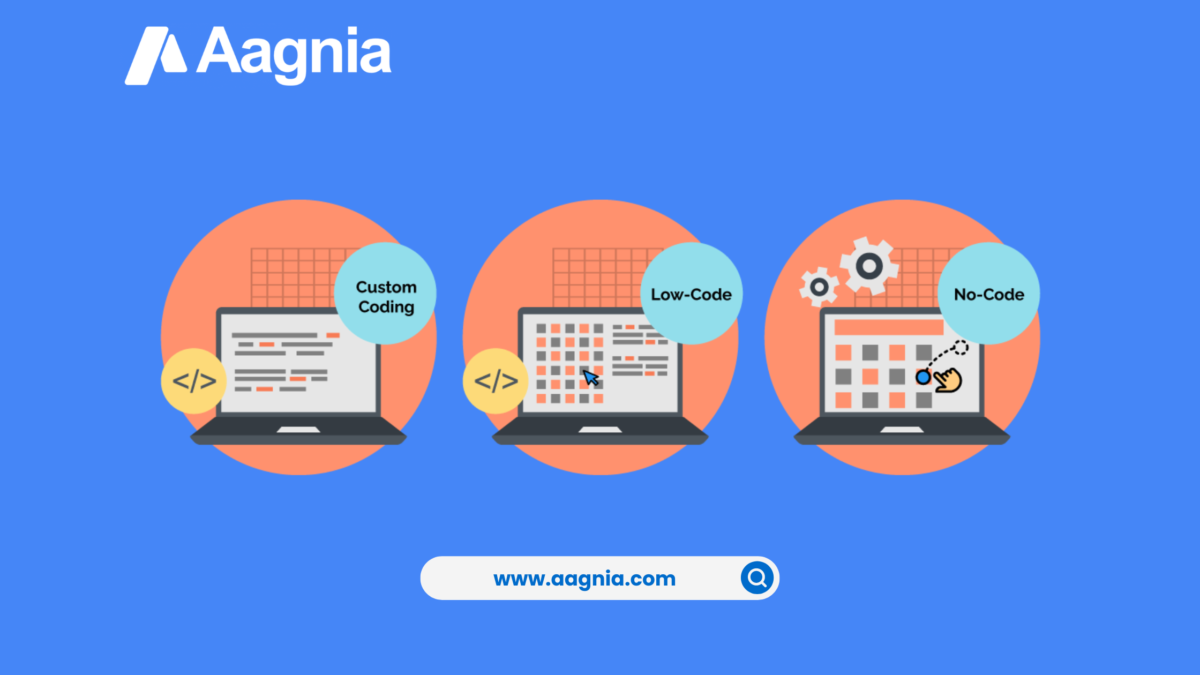
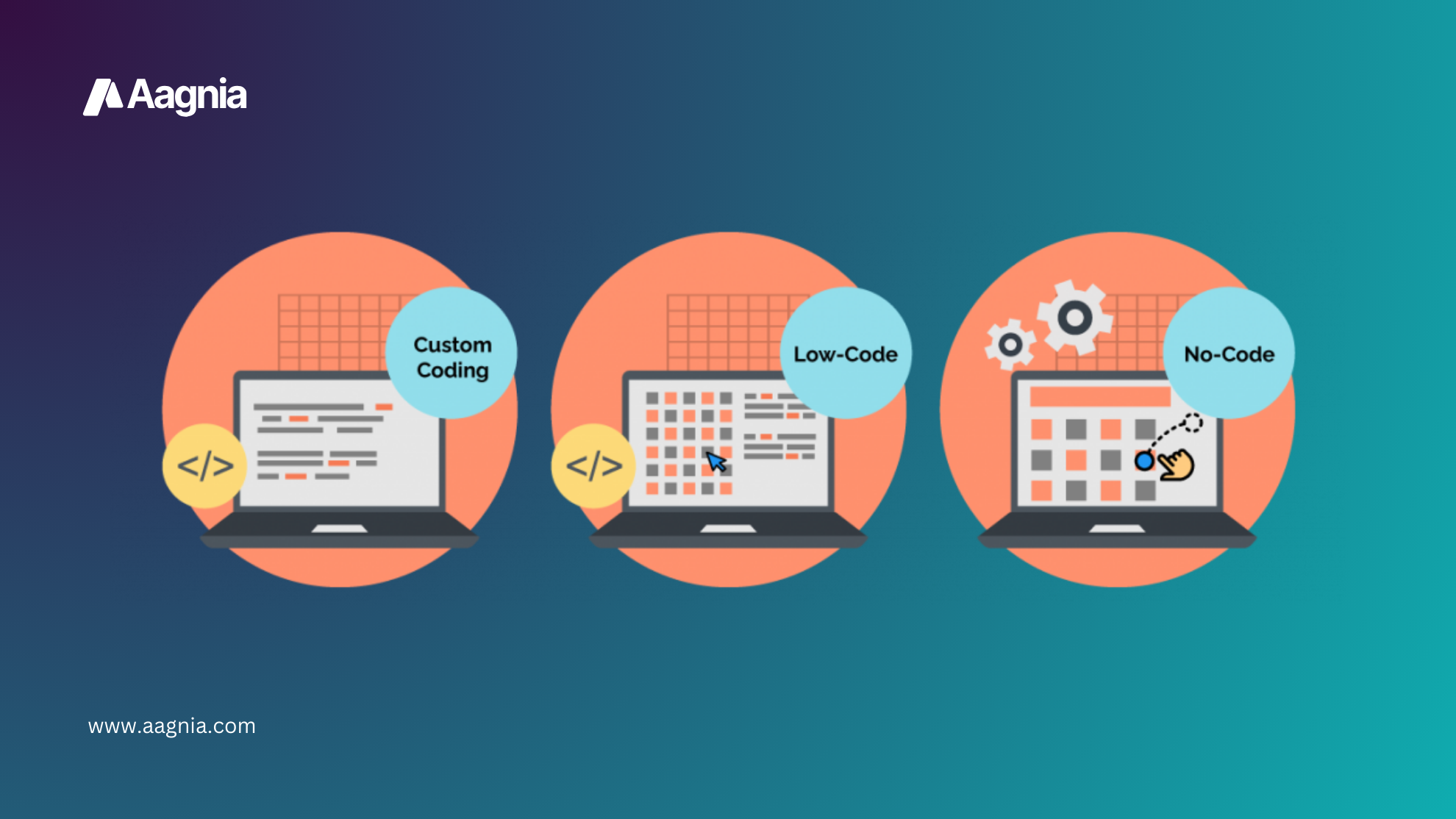
However, choosing the right assembly model to ensure the success of any project is not easy. As a result, these assembly models can be divided into three categories: Low Code, No Code, and High Code.

Each assembly model has its own set of advantages. Of course, combining these approaches is required to meet all business requirements. To implement this modern development strategy, it is critical to thoroughly understand each assembly’s advantages and disadvantages.

So, without further ado, let’s break down what low code, no code, and high code are.

Crucial Distinctions: Low Code vs. No Code vs. High Code:

The rise of various methodologies and web tools has forced many professionals with no coding knowledge to play a significant role in providing excellent customer service.

So, let’s go over each method briefly.

Low Code Development:

Developers hope to create a modular platform with self-service capabilities that will allow business users to control the experience’s assembly using a low-code development platform. They can also create powerful components that can be used in a variety of applications.

Low-code solutions are generally beneficial for speed and collaboration. Low-code solutions rely on pre-built components and capabilities that can be reorganised to create different experiences.Low-code solutions are generally beneficial for speed and collaboration. Low-code solutions rely on pre-built components and capabilities that can be reorganised to create different experiences.

Low code development improves the collaboration between developers and marketers. Developers create the components, while marketers put them together to provide a better customer experience. This will result in faster market time and overall customer satisfaction because marketers will be able to easily convert detailed information into actions.

Because of concerns about security and functionality, developers have traditionally been hesitant to embrace the rise of low code/no code solutions. Still, there are ways to incorporate governance and regulations into the components and systems that are used.

Low-code can also refer to an app created with a no code/low code development platform but supplemented with code.

Many platforms, for example, allow you to add additional functionality to the frontend by adding raw HTML, JavaScript, or CSS.

No Code Development:

Business users and marketers are at the forefront of No code development. Once deployed, the No code platform does not require any coding knowledge to write a single line of code. In reality, they rely on configuration, forms, and a few tools to manage the experience.

No code solutions are used to manage specific department issues, such as page content updates, without diverting the developer’s attention away from other projects. They can also be used in nature to scale more cookie-cutter systems.

No code tools, on the other hand, are limited to developing new platforms or introducing large-scale innovations. They are typically difficult and expensive to extend, despite being quick to configure and operate. Furthermore, their adaptability is frequently limited.

High Code Development:

High code development is also known as traditional code development or full code development. Developers can build and deploy code with high code development. This assembly method is ideal for applications where the code must be linked to the user’s experience.

Developers frequently use javascript frameworks such as Angular or React, as well as frameworks designed specifically for mobile or native applications. To deliver content and data, a headless CMS or other API-based services are commonly used.

This method is ideal for developing a “code-oriented” experience that is closely related to code deployment. External systems can handle and update content and data on demand, but developers are in charge of the actual experience and interface.

When using a high code method, however, businesses are reliant on developer resources. When the developer’s attention is required for everything, the actual time is consumed by working on new features and improvements.

Use low code or no code development functionality for your project if it meets your needs. If you want to scale your product, you’ll need to use custom code. So, contact a low code/no code development company that is willing to help you implement and scale your idea.

Do you require Custom App Development?

Looking for experienced App Developers to create a web app from the ground up, or do you want us to get started on an existing project? Get your no-obligation expert consultation today!

Categories
insights

software development process

software development process:

What is software development Life cycle:

A software development process, in software engineering, is a method for breaking down software development work into smaller, parallel, or sequential steps or sub-processes in order to optimise design and product management.

The approach could include the pre-definition of certain deliverables and artefacts that a project team must create and complete in order to develop or maintain an application.

Software development process:

A software development process is a method of breaking down software development work into smaller, parallel, or sequential steps or sub-processes to better design and product management in software engineering.

Software development life cycle Models:

The majority of modern development processes can be classified as agile. Waterfall, prototyping, iterative and incremental development,rapid application development, spiral development, and extreme programming are some of the other approaches.

A software development “process” is a more particular term to refer to a specific process adopted by a specific business. 

A life-cycle “model” is sometimes regarded a more broad term for a category of techniques. Many specialised software development techniques, for example, suit the spiral life-cycle model. The field is frequently seen as a component of the software development life cycle.

It takes a lot of effort to build for the development process, and software development is one of them. To develop software or create a product, you’ll need the framework. 

There are many different techniques to follow: each one specifies an action or task that occurs during the process.

It is a solution aimed at customers who wish to create and develop applications with specific business goals in mind. 

However, completing the part of the development process that is vital to this procedure is the most difficult work for software engineers. As a result, you won’t have to worry about it afterwards if you stick to the tried-and-true software development techniques. Several leading software companies can assist you with software development.

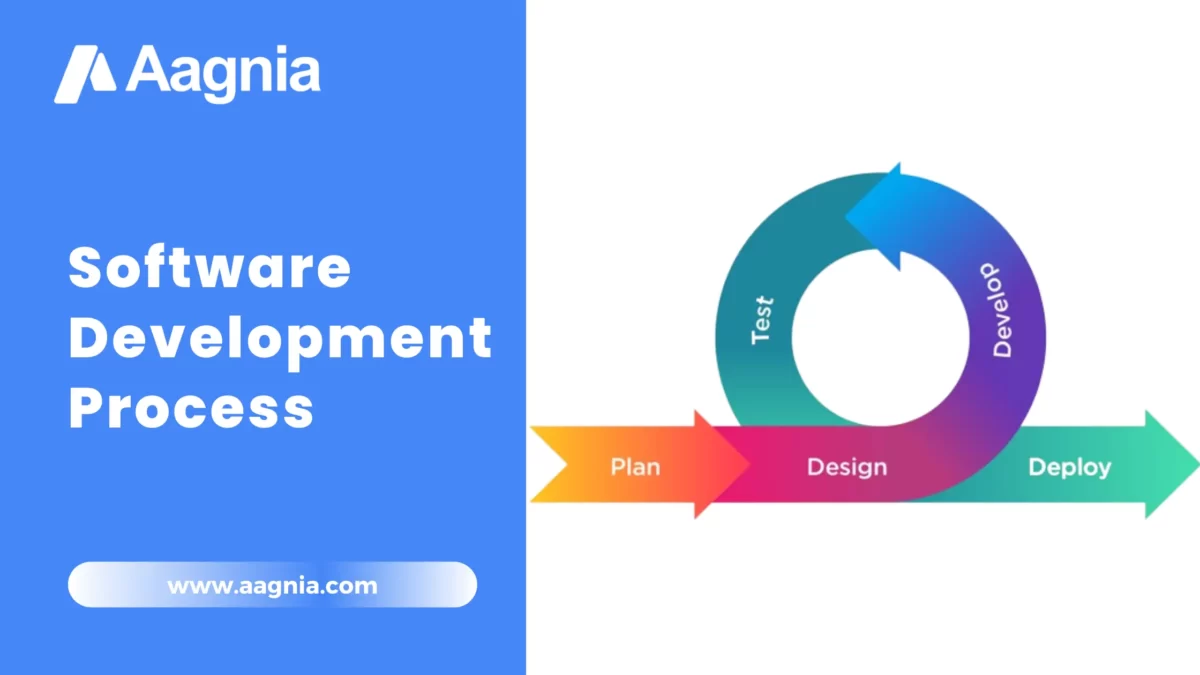
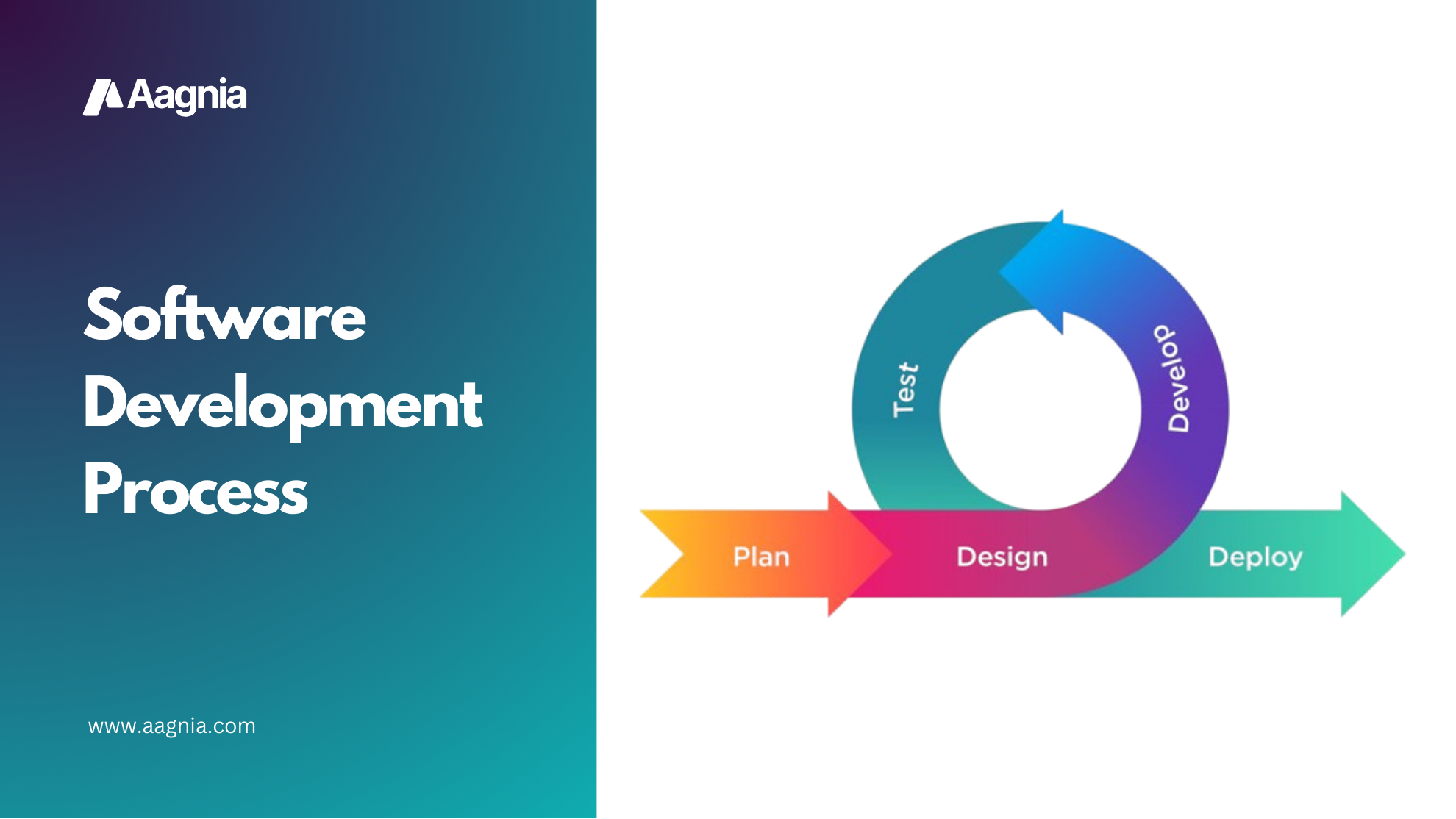
The following are the steps in the software development process:

Plan Requirement Analysis:

Planning is the first step in every procedure. You must devise a strategy that will enable you to carry out actions wisely. You must conduct a requirement analysis for your project in addition to planning.

It is critical to grasp the software product’s requirements; after you have done so, you must prepare to construct it. 

As a result, you’ll probably need a knowledgeable and experienced developer who can see the criteria gaps. A requirement analysis is what it’s called. Next, determine your budget; after all, the planning procedure is successful. 

You must ensure that it corresponds to your software development process strategy and product objectives.

All of this is essential to ensure that future processes go smoothly. It will aid you in making your task more manageable and allowing you to ensure that the activity is running smoothly. If something isn’t working properly, you’ll have the opportunity to fix it. After that, you must allocate resources to the process and identify what kind of resource you will need to complete it.

Design and Development:

After the requirement has been determined, the software product can be designed. You must decide how it will look, how it will perform, what factors are required to see it even better, and many other things in this step.

Software architects and developers must create the application structure. The method follows defined principles for software development and architecture. 

Architects require frameworks in order to build applications using pre-existing components and others. It will be possible to work algorithmic problems consistently while designing for the model. 

Agile prototyping also involves a team of experts to help distinguish between different alternatives and find the best match. They create form documents that list the models, elements, and code created during rapid prototyping sessions.

Software Testing:

It is a continuous software development process that includes both testing and development. The tests are carried out during the rapid development phase to ensure that the product is functional, usable, and stable.

We have a team dedicated to testing and quality assurance. This group examines every line of code written by the development team. 

To determine whether there are faults or failures, both manual and automatic instruments are utilised. In the development stage after coding and testing, your software is deployed on the necessary servers and devices. It was only done when the product’s functionality was authorised and its stability was confirmed.

Software Maintenance:

The update and maintenance of procedures is the final phase. It’s vital to remember the customer’s software project demands and expectations after the deployment. 

You must now locate and correct any mistakes, malfunctions, or faulty functionality. You must maintain and upgrade the application or software projects in order for them to run smoothly. 

All of these requests must be returned to your product backlog’s work lists in order to be prioritised and become part of your product route.

Not only may it be necessary to include code that deviates from the initial plan, but even choosing how the software functions after it has been produced may necessitate significant team effort. 

The task is to guarantee that bugs are maintained and fixed. The majority of maintenance consists of continuing systems to perform new forms, which can be classified as a new objective in many ways.

As previously said, writing software is a complex process if done improperly. Hire an agency or an app developer to assist you in developing software to your specifications.

Categories
insights

IoT in Manufacturing Industries

IoT in Manufacturing Industries

With IoT in Manufacturing Operations, you can improve customer experience and drive business growth:

The Industrial Internet of Things (IIoT) is a method for digital manufacturing transformation. Industrial IoT collects critical production data using a network of sensors, which is then turned into useful insights about the efficiency of manufacturing operations using cloud software.

Adoption of IIoT in Manufacturing:

The following are the primary adoption drivers for Industrial IoT solutions:

Cost reduction:

Companies minimise operational expenses and generate new revenue streams through improved asset and inventory management (resulting in lower inventory carrying costs and search times), less machine downtime, more agile operations, and more effective energy use. Smart, linked products, for example, make it possible to shift from selling products to selling experiences — product consumption and after-sale services.

Shorter time-to-market:

Reduced product cycle time is possible thanks to faster and more efficient manufacturing and supply chain activities. For example, Harley-Davidson used IoT to restructure its manufacturing facility in York, Pennsylvania, reducing the time it takes to make a motorcycle from 21 days to 6 hours.

Mass customization:

The mass customization process necessitates a considerable increase in the variety of manufactured SKUs, resulting in an increase in inventory and diversification. Manufacturing activities become increasingly sophisticated as well – the manufacturing of 20 SKU X goods can be followed by the creation of 10 SKU Y things in a matter of seconds. Tracking inventory and manufacturing processes becomes time-consuming and, in some cases, impossible. By providing real-time data for smart forecasting, shop floor scheduling, and routing, the IIoT makes mass customisation easier.

Improved safety:

The IIoT contributes to a safer workplace. When combined with wearable devices, the IIoT provides for the monitoring of workers’ health and potentially dangerous actions. IIoT addresses safety issues in potentially dangerous locations in addition to protecting worker safety. For example, in the oil and gas industry, IIoT is used to trace gas leaks as they travel through the pipeline network.

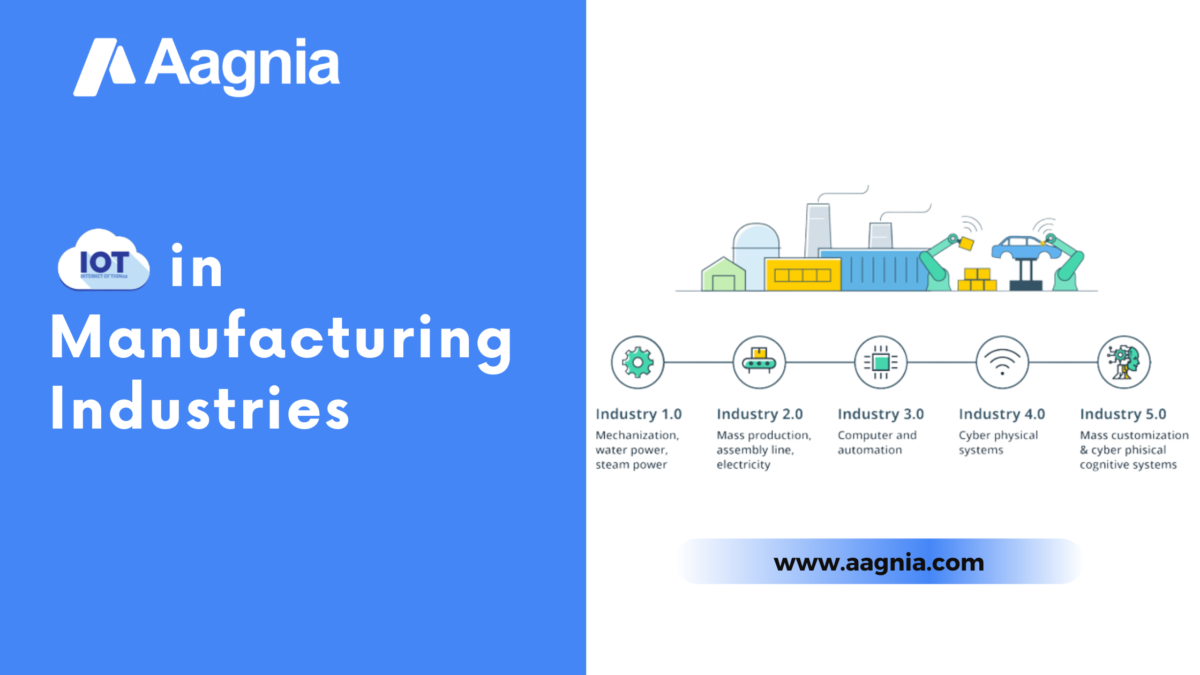
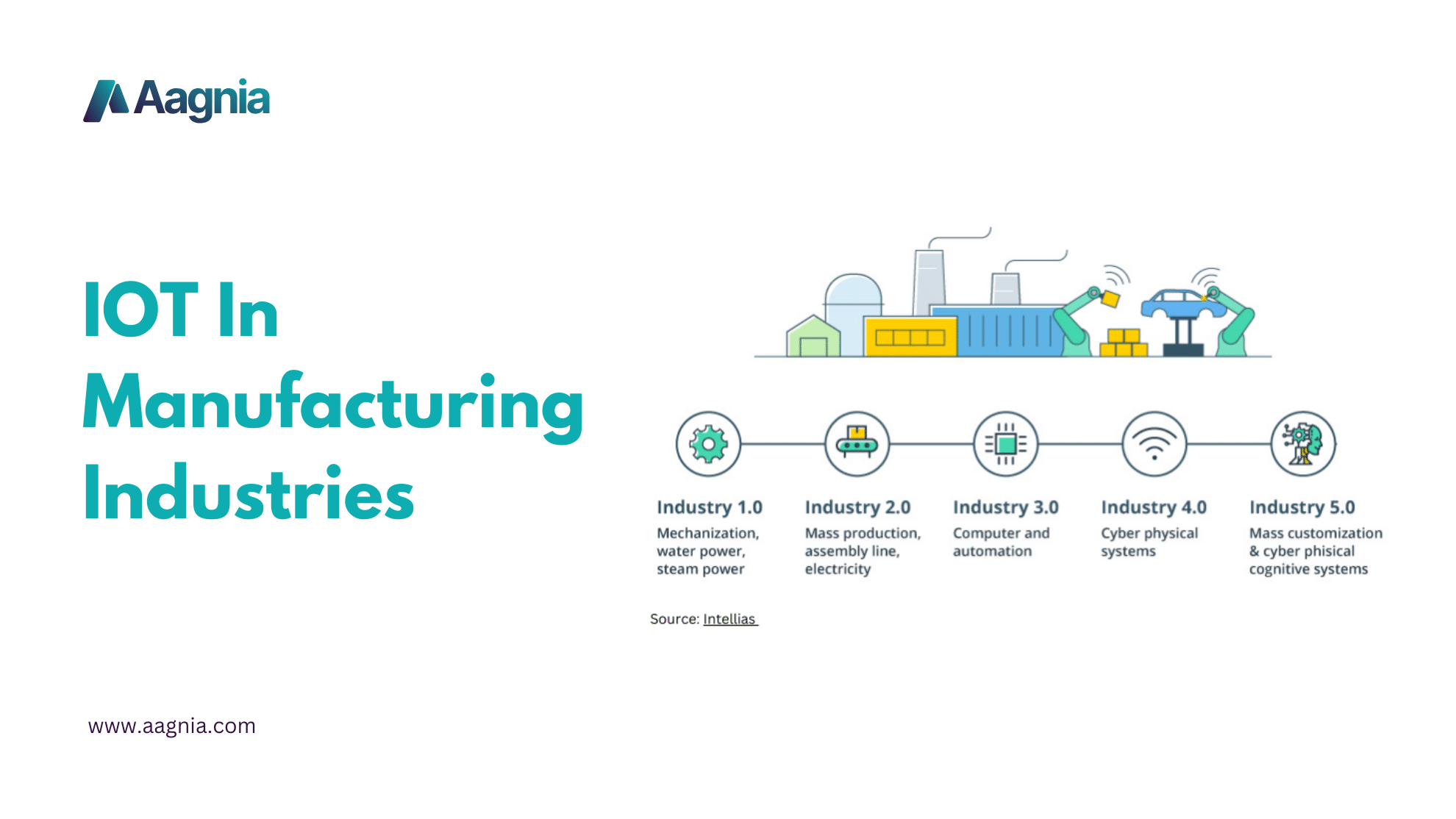
For a variety of reasons, analysts believe manufacturing will continue to lead until at least 2022. IoT has the potential to usher in a new industrial revolution – Industry 4.0 – by enabling manufacturers to implement digital transformation in a variety of ways, including automation, visibility, customer-centricity, and shorter time to market.

Let's take a look at the top six IoT usage, applications, and benefits in the manufacturing industry.

Quality Control:

Manufacturers make an item, their quality control unit tests it, and they expect to identify and correct problems before the product reaches the market in a normal reactive quality control procedure.

With thermal and video sensors gathering entire product data throughout the life cycle, IoT makes this procedure proactive. The items can also be evaluated at each stage of production to ensure that their characteristics are within standards. Furthermore, production equipment instrumentation and monitoring assist quality control employees in determining if and when equipment calibration deviates from standard settings – such inaccuracies must be detected early to minimise product misalignment.

Manufacturers may be more confident in spotting quality problems at the source thanks to IoT’s support in monitoring both equipment settings and the outcomes of each manufacturing step. As a result, incremental improvements can be made over time.

Inventory Management:

Inventory management becomes more effective and seamless when IoT is combined with radio frequency identification (RFID). Every item in the inventory has an RFID tag with a unique identification number (UID) that contains encoded digital data. RFID readers may read the tags, and the information retrieved is sent to the cloud for processing.

The job of industrial IoT in this case is to turn the data collected by RFID readers into actionable business insights. It keeps track of inventory items’ whereabouts, statuses, and movements along the supply chain, and provides users with comparable outcomes.

IoT-based inventory management architecture, for example, can determine the volume of raw materials necessary for a forthcoming manufacturing cycle based on data on inventory quantity and location.

IoT-based inventory management’s outputs can be used in a variety of ways. If any individual inventory item is missing, the system can send users an alert and warn them when the materials need to be replenished.

IoT provides supply chain managers with cross-channel visibility, including a realistic estimate of available materials, fresh material arrivals, and work-in-progress, allowing them to optimise shared costs across the value chain.

Manufacturers can better prepare to receive raw materials by measuring their pace of movement and traffic flow. This reduces handling times and allows for more efficient processing of those materials in the manufacturing process.

Predictive Maintenance:

Manufacturers have always used a time-based approach to planning their machinery and equipment maintenance plans. However, according to a research by the ARC group, just 18 percent of equipment fails due to age, whereas 82 percent of failures happen at random. This demonstrates that a time-based approach is inefficient and, in the long run, costly.

Using industrial IoT and data science for predictive maintenance, manufacturers can avoid ineffective maintenance routines. They can monitor the equipment’s operational environment and do analytics utilising associated data in the cloud to analyse the actual wear and tear by employing IoT sensors (on the equipment). Prompt service and repair results in increased maintenance efficiency, better job allocation to field workers, and less downtime, as well as significant cost savings.

Steel mills, for example, have many furnaces with temperature control provided by water cooling panels. Any leaks in the panels can cause safety concerns as well as a loss of productivity. Plant managers can utilise IoT-based predictive maintenance to strategically identify anomalies and conduct a root cause study to avoid machine failures and production delays.

More Safety in Operations:

IoT improves the safety of personnel, equipment, and operations in a manufacturing plant when used in conjunction with big data analytics. It can be used to measure key performance indicators (KPIs) such as employee absences, vehicle mishaps, machinery damage, and any other occurrences that disrupt routine operations.

In this instance, IoT wearables are crucial solutions. Employees who use these devices can also have their health parameters tracked continually while working in industries and fields. It allows them to assess their exposure to process fumes, stress levels, heart rate, fatigue, and overall movement. The information gathered can help companies improve their compliance structure and cut their insurance prices.

IoT can raise security risks if there are a variety of providers and security standards, as well as a lack of standardisation. Manufacturers who use IoT must connect their operations technologies and IT infrastructure to avoid their assets being attacked by malicious attackers. They should also plan their BYOD policy to ensure that personal gadgets do not interfere with industrial activities. In this case, cloud and IoT services provider support is important.

Smart Metering:

Smart metres that can monitor water, electric power, and other fuels have also been brought to the manufacturing sector, utilities, and other businesses thanks to the Internet of Things. IoT sensors enable businesses to assess specific consumption and adopt best practises for more efficient resource allocation.

Manufacturers can thoroughly analyse the findings of smart metre monitoring using customizable end-user dashboards provided by IoT services vendors. They can also analyse the costs, efficiencies, and carbon impact of various resources in order to better incorporate them into their manufacturing processes.

Smart Packaging:

For producers, smart packaging that directly uses materials with embedded interconnectivity gives advanced IoT benefits. One of the most important features of smart packaging is that it allows consumers to interact with it while also generating data that can be used to better manage a product. Smart packaging might include culinary videos, beauty tips, and other demos to illustrate how to use the product.

Sensors, QR codes, and augmented reality/virtual reality/mixed reality choices all function together in different ways with IoT and packaging. The goal is to provide added value to customers while simultaneously collecting data (through smart tracking) to improve operations and efficiency.

We design IoT solutions for a variety of industrial operations at Aagnia Technologies. Our team works together to install bespoke tools, linked devices, and connected processes that help clients get the most out of emerging technology.

Call us at +91 75400 07581 to learn more about our IoT solutions for manufacturers.

Categories
insights

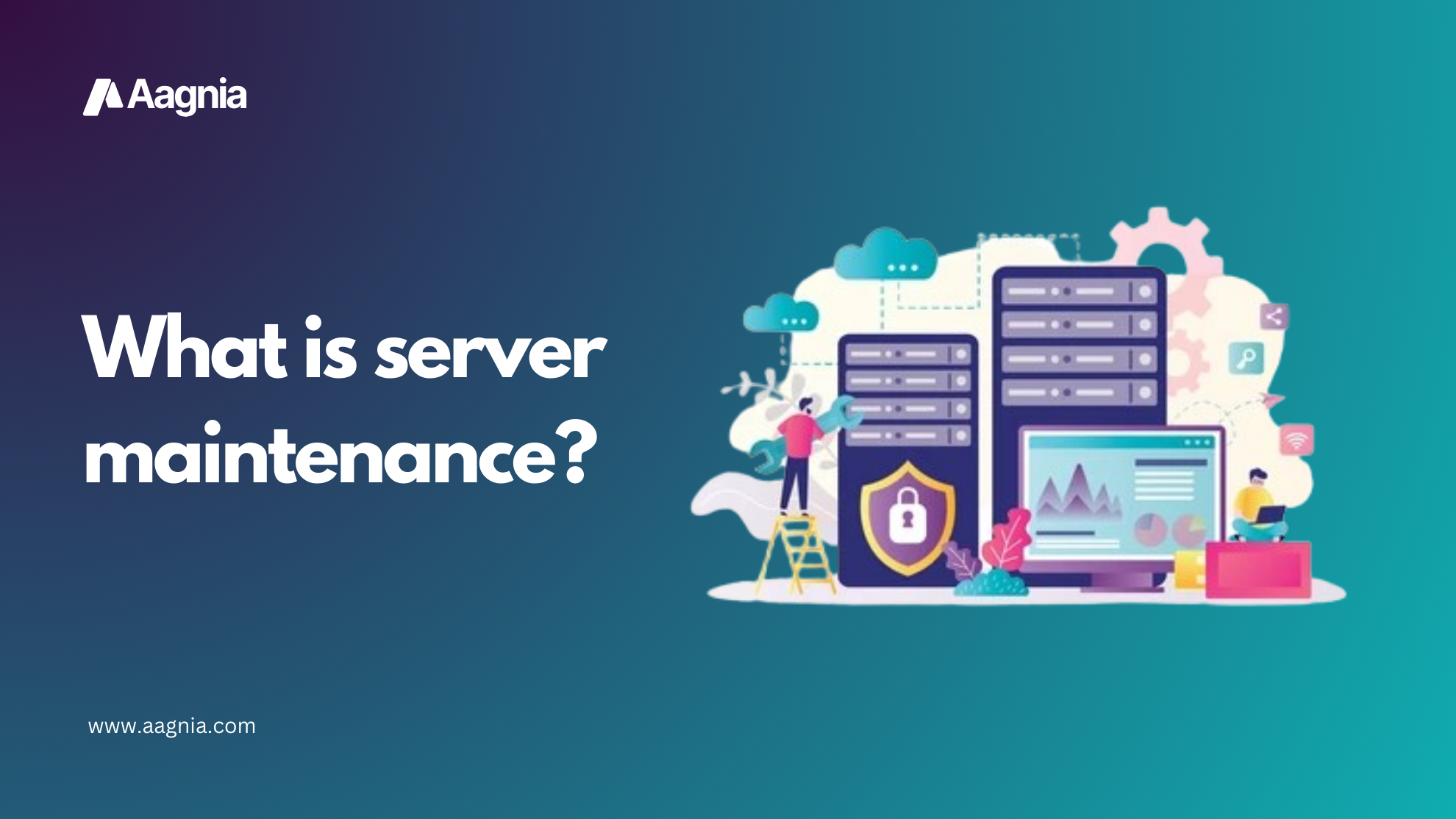
What is server maintenance

What is server maintenance?

Server maintenance is the process of keeping server software up to date and functioning in order for a computer network to perform properly and without downtime or data loss. Regular maintenance will keep the server functioning smoothly and prevent a complete or partial network breakdown.

Servers are necessary for, well, pretty much anything computer related, as any geek knows. Your computer operates smoothly and efficiently as a result of your server’s hard work.

That is why server maintenance is so important. Just like you go to the doctor for frequent check-ups to ensure that everything is healthy and whole, servers need to be checked on a regular basis to verify that all parts are functioning properly.

Servers require ongoing attention, whereas humans only go to the doctor once or twice a year. Servers are available 24 hours a day, 7 days a week, to perform difficult tasks. They must be verified, corrected, and updated on a regular basis.

Because there is so much that goes into server maintenance, many businesses choose for a managed IT services provider’s server IT maintenance plan.

But, before we go any further, it’s crucial to grasp what a server is and what it does. This practical knowledge will assist you in comprehending the scope and importance of server maintenance.

Importance of server maintenance:

Servers are critical in today’s digital environment for keeping your business functioning properly. Employees can store, access, and exchange data from any workstation, whether in the office or at home, with the help of a server. Businesses must, however, ensure that their servers are regularly monitored, updated, and well-maintained in order to ensure that they function properly.

A server is a piece of computer hardware or software whose major function is to provide other systems with resources, applications, or data. Businesses can use servers to store all vital information in one single location, which can subsequently be accessed, shared, and managed by the organization’s personnel at any time. Employees may work from anywhere, at any time, with just an internet-connected PC, resulting in increased efficiency and productivity.

In summary, servers have completely changed the way organisations operate.

Purpose of server maintenance:

Server maintenance entails updating server software to guarantee that a computer network runs smoothly. Network failures and data loss can be avoided with regular maintenance. Tasks like these may be included in server maintenance.

  • An in-depth investigation of the network.
  • Examining the server log files for any security issues or alarms.
  • Maintaining a data backup system that allows you to quickly recover data in the event of a system failure.
  • Performing a hard disc space check.
  • Server temperature is being monitored to prevent overheating.
  • Identifying potential security threats and flaws.
  • Deploying important software updates.
  • Patching for security issues.

However, server maintenance is not as simple as it appears. To guarantee successful server maintenance, firms must first develop a server maintenance strategy that is tailored to their individual requirements.

A good server maintenance plan can help firms save money on server maintenance. It also enables companies to fulfil their objectives.

Now let’s talk about why a server maintenance plan is so vital.

Server Maintenance Plan:

For a smooth and efficient operation, servers demand full-time attention. Your business will run more smoothly if you have a good server maintenance plan in place. A well-maintained server will also have little downtime. Some of the advantages of having a server maintenance plan for your company are listed below.

Regular Data Backups:

Servers do crash from time to time. Recently, even Google had to deal with a similar problem. As a result, server backup is a critical operation that must be performed on a regular basis to avoid data loss in the event of a breakdown. A proper server maintenance strategy guarantees that your business data is backed up on a regular basis. Having a solid data backup strategy in place might also make the data migration process go more smoothly. It will save you both time and money.

Enhanced Security:

Attacks against servers are possible. As a result, security is a critical component that must be maintained on a regular basis in order to keep your company’s data safe from intruders. A good server maintenance strategy keeps your server up to date and prevents hackers from breaking into your network. It assists administrators in identifying potential security threats and vulnerabilities, allowing them to intervene quickly and remedy the issues.

Remote Monitoring:

It is critical to monitor server performance 24 hours a day, seven days a week in order to assure maximum uptime and optimal performance. In today’s digital age, it’s critical to have a system that allows professionals to monitor server performance 24 hours a day, seven days a week, 365 days a year. Having the correct server maintenance plan in place might assist you in accomplishing this. Remote monitoring includes services such as event log monitoring, performance monitoring, application monitoring, internal audit reporting, and asset management.

How Often Should Servers Be Maintained?

We’ve already talked about the importance of server maintenance in order to keep them up to date and functioning efficiently. Do you, on the other hand, know how frequently servers must be maintained? Most firms, on the other hand, are still unsure about the situation.


When it comes to server maintenance, some things need to be checked on a daily basis, while others can be checked weekly or yearly.

Daily Maintenance:

The first and most significant element of the maintenance tasks should be checking for updates, which should be done on a daily basis. Virus scanners, important software upgrades, security log monitoring, server temperature checks, RAID health, and server load monitoring are just a few of the everyday considerations.

Weekly Activities:

Data backups and disc consumption are just a few of the other things that need to be checked every week.

Monthly Maintenance:

On a monthly basis, concerns related to database optimization can be addressed.

Stay Protected Against Virus Attacks:

Virus attacks can have a substantial influence on your company’s operations, resulting in data loss and financial losses. Installing the most recent security software patches and frequently evaluating security features aids in early detection and maintains your machine safe from malware proliferation.

How Do You Create an Optimal Server Maintenance Plan?

The key to having a fast, secure, and safe server is to have a good server maintenance plan. When it comes to designing a server maintenance plan, the first and most important step is to categorise the maintenance operations based on objectives and goals. The three categories that we must examine while establishing an optimal server maintenance plan are reactive server maintenance, preventative server maintenance, and predictive server maintenance.

Reactive Server Maintenance Plan:

Reactive maintenance is the process of restoring assets to normal operating conditions after they have shown signs of poor performance or failure. The key advantages of reactive maintenance are that it saves money and needs less employees to implement.

Preventive Server Maintenance Plan:

A network administrator must perform preventive maintenance on a server in order to keep it running. Essentially, this means that the server’s performance, as well as any potential security threats and backup processes, must be reviewed on a frequent basis by the administrator.

Predictive Server Maintenance Plan:

The actions used to discover anomalies in the server’s operation are highlighted in this plan.


When creating a maintenance plan, you must examine the characteristics connected with each plan, as well as your company’s goals and requirements.

If you don’t have much experience dealing with server-related issues, hiring a specialised server administrator to handle your server needs is a preferable option.

Server maintenance, as we’ve already stated, is one of the most important aspects of any organisation in today’s digital age. Any company that uses a server must make certain that it is working as planned. One of the numerous strategies to keep your server functioning smoothly all of the time is to do service maintenance operations on a regular basis. Making the best plan is contingent on determining your individual requirements and wants, which you must do first.

If your server is having problems and need maintenance or support, please contact us to see how we can assist you.

Categories
insights

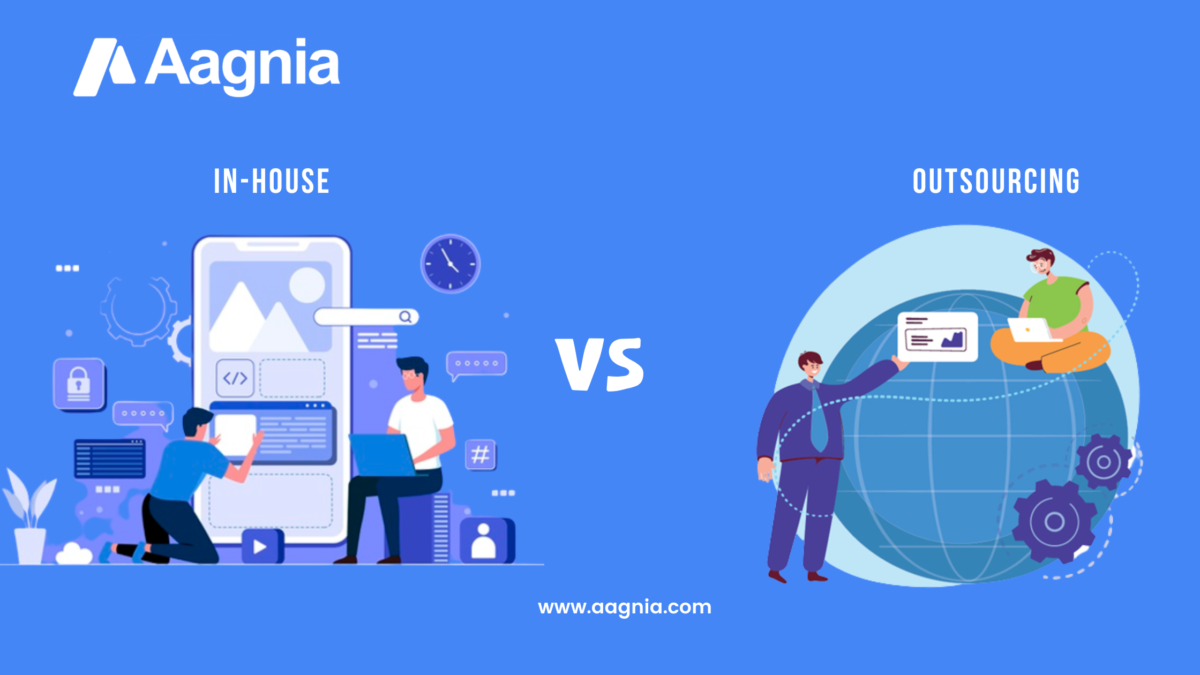
Software Development Outsourcing vs. In-House Development

Software Development Outsourcing vs In-House Development

Companies that outsource their software development are motivated by the desire to cut costs and shorten time-to-market. Outsourcing software development or increasing capabilities in-house?

There is no such thing as a black or white answer.

Following that, you’ll see a comparison of the benefits and drawbacks of software development outsourcing vs. in-house outsourcing. Examine all of the listed arguments and decide which one works best for you.

Outsourcing Software Development

Advantages of outsourcing software development:

A quick way to hire high-quality developers:

Hiring takes time and consumes the bandwidth of HR departments, especially if your core business is not directly related to software development.

A specialized recruiter will help you build teams much faster, and because hiring nearshore costs between 30 and 45 percent less than hiring on-shore, you’ll have access to a wider pool of developers with a variety of skills and technology stacks.

Why Hire Developers From Aagnia Technologies?

Aagnia Technologies only hires professionals who have received the highest ratings. As a result, each developer is the best in their field.

Flexibility:

Outsourcing allows you to hire a team of professionals only for the duration of a specific project or the demands of your business operations. Working with nearshore IT Services provider can also enable you to make quick changes to your team’s assembly if the project requires it without affecting your budget, time-to-market, or performance.

Flexibility has become a critical issue for project management in general, and software development projects in particular, as both the business and technological environments change at an increasing rate.

Scalability:

Every project is unique and necessitates the formation of a team based on the project’s specifications. As a result, with outsourcing, you can scale up a team of professionals who are specifically trained for that project.

Commitment for a limited time:

While you may require an expert in a particular field for a specific project, you are unlikely to require him or her indefinitely. Outsourcing IT experts on a project-by-project basis allow you to get the best only when you need it.

Cost savings:

A high-level professional who is unable to be productive all of the time costs a lot of money. In this case, outsourcing can provide you with a high level of productivity at a lower cost. According to studies, outsourcing can result in up to a 60% reduction in overhead costs.

The disadvantages of Software Development Outsourcing:

Quality assurance:

It is far easier to control the level of quality produced when you can physically approach and speak with your software engineers than it is to entrust the critical phases of your project to someone you’ve never met and then hope for the best.

Collaboration:

The process of developing software is a collaborative one. As a result, hiring freelancers from various cultural backgrounds can be a huge challenge for mutual understanding of specific requirements. Language barriers may also cause issues, making it difficult to collaborate effectively.

Logistical difficulties:

Working with a developer in a different time zone is difficult for both parties. Especially when scheduling a conference call and the deadlines are set for the one-time zone but not another.

Commitment to the project:

Although it may seem convenient to have a freelancer developer available only when you need him or her, this developer is unlikely to sit idle and await your call. Similarly, he or she will work on other projects as well. Independent software development firms can also work with a larger number of clients at the same time. That is, your project will not receive its full commitment.

Confidentiality and security:

Even within their own walls, businesses face security and confidentiality risks. When the project’s confidentiality is taken into account, a project shared with outsourced resources becomes risky.

Advantages of in-house software development:

Long-term product development:

If you’re creating a product or a solution that will require a long-term commitment, it’s best to build an in-house development team. Since they can be fully committed to this product, know it inside and out, and easily and quickly make changes or fixes when necessary.

Aligned interests:

When a company is thriving, all of its employees have similar interests and are working toward the same goal. It means that they will do their absolute best to achieve the company’s objectives. Such a commitment is difficult to achieve with freelancers who are not fully invested in your company.

The company's culture is compatible:

It’s critical to work with people who fit your company’s culture. Having in-house developers who are not only capable of doing the job but also get along with you and your team is usually more productive than attempting to work with the best specialists who are a bad cultural fit.

Reduced turnaround time:

When you develop a product in-house, you have complete control over the entire process. You’ll notice if something goes wrong right away. As a result, the turnaround time for resolving the problem is faster than if the problem were outsourced.

Compliance with the company's standards:

Control over the company’s coding standards is critical for the product’s long-term viability. With in-house software development, you can decide what is best for the product’s future maintenance processes.

Disadvantages of hiring in-house developers:

Time-consuming process:

Finding the right developers and negotiating with them to join your team takes time. Even then, there’s a chance they won’t be able to join right away. If the clock is ticking on your project, you need the right people now, which you can get from an outsourced freelancer or specialized vendor.

Technical expertise:

Unless your company has a large IT department or an unlimited budget to hire a diverse range of IT professionals, you will most likely be unable to meet all of your specific needs with dedicated experts.

There aren't enough funds to hire talent.

Hiring talent is an expensive endeavor. Do you require a full-time expert in a specific field? Will he or she pay you after your project is completed?

Extra expenses:

Annual salaries, benefits packages, and overhead costs are all part of having a full-time in-house team.

Overburdening of internal IT resources:

If the project for which you require developers is not the company’s core business, it could place a significant strain on your IT resources. And overburdening usually results in dissatisfied employees and subpar products.

Do you have requirement Hire Developers? Aagnia Will help You!

You can get a dedicated and wide range of technologies known developers from Aagnia Technologies.

Categories
insights

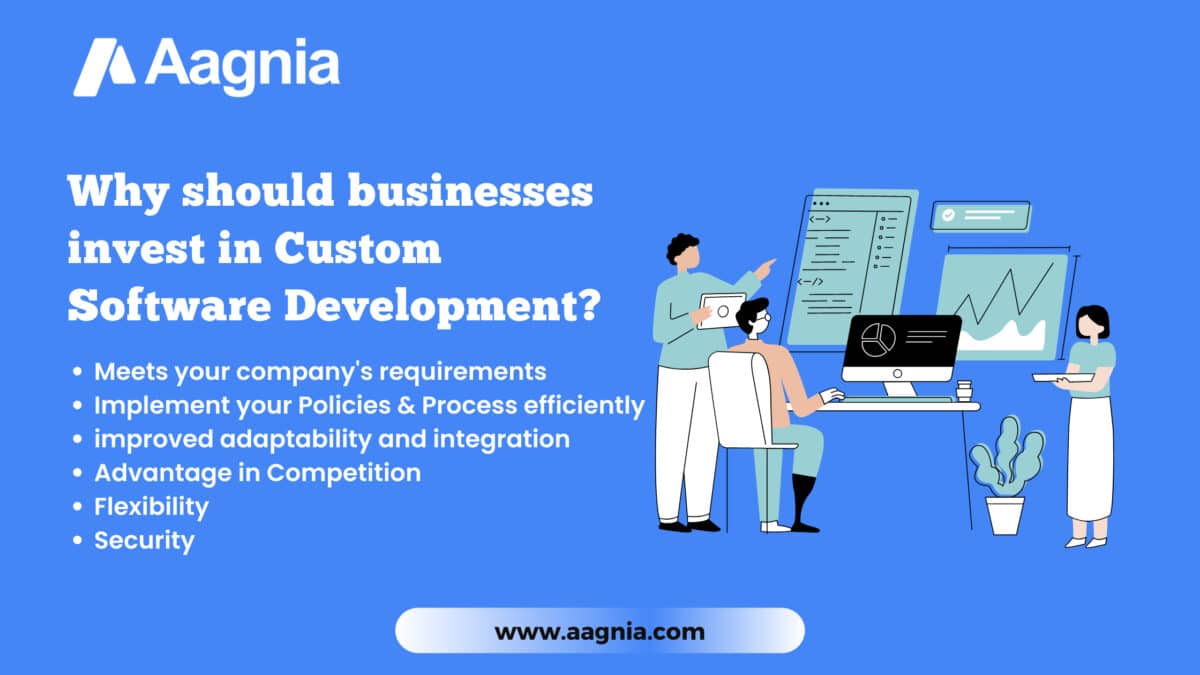
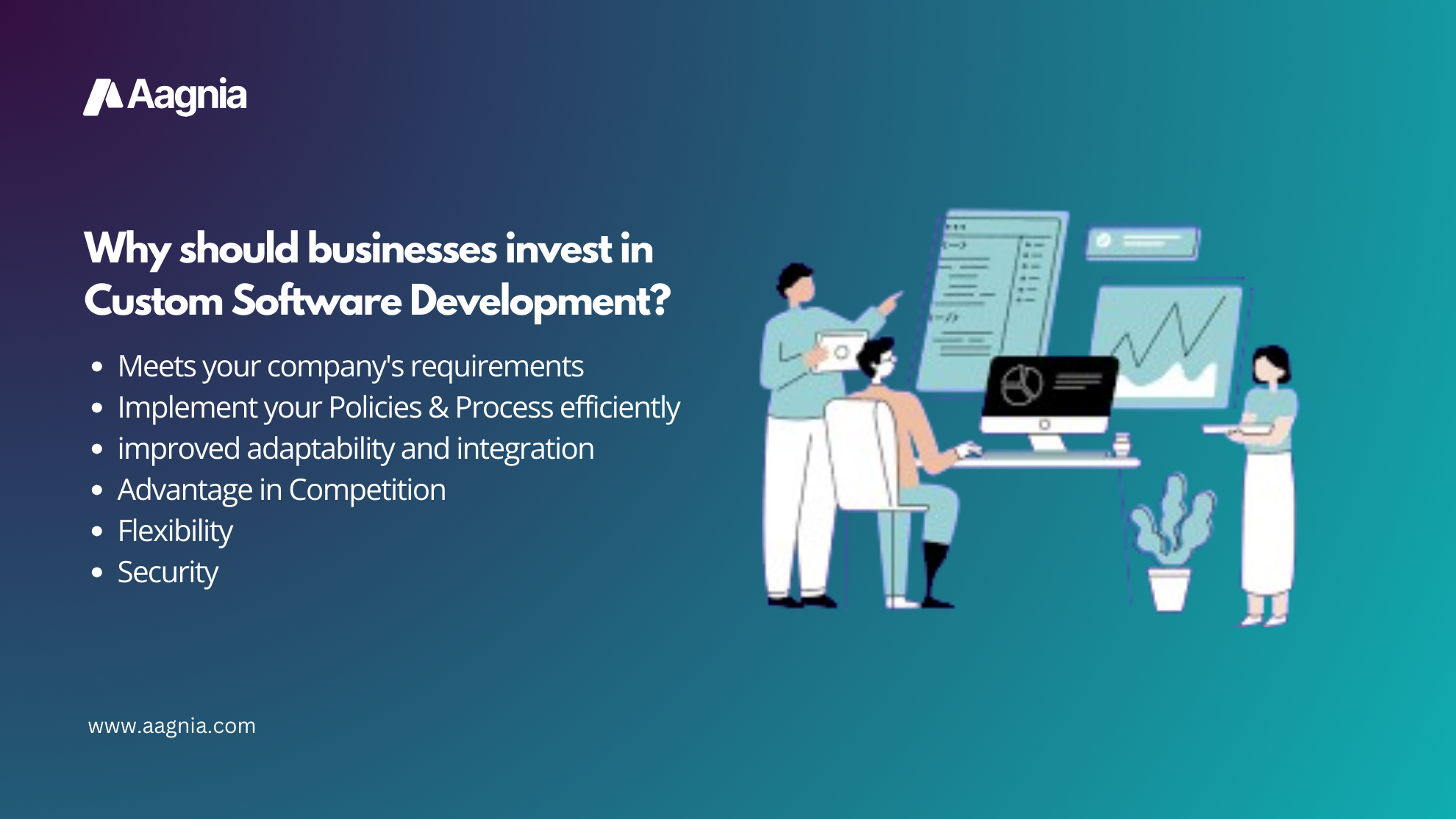
Why should businesses invest in Custom Software Development?

Why should businesses invest in Custom Software Development?

When businesses choose custom software development, they have the freedom to build new capabilities on top of existing enterprise applications, saving significant effort in development and lowering cost escalation.

Let us try to define custom software development:​

It is the process of creating, deploying, and maintaining software for a specific organization or group of users who intend to perform a specific function.

Consider a bank that has a custom application developed for online banking to meet the specific needs of its customers and the bank. 

Consider another manufacturing company that might require software to streamline its unique processes. As a result, the significance of custom software development is enormous. 

Let’s look at how custom software can be used to solve business problems and drive growth.

Many businesses require custom software development to enhance the functionality of their applications by modifying, integrating, or customizing them. Furthermore, custom software aids in the scaling of your business to meet the changing needs of your customers and the market.

What are the benefits of custom software development for businesses?

Do you want to know how custom software can help your business? Here is a list of a few of the many advantages that you can obtain by using custom software development services.

This list will be useful if you are looking to develop custom software or simply have your existing software modified. Let’s get started!

Efficiency:

Because it is now tailored – according to your business needs – custom software helps to increase productivity by making processes faster. 

You will not have to invest time or change your business processes to accommodate the standardized software.

Easy Integration with Low Costs:

Do you intend to purchase commercial software? One of your most pressing concerns may be whether your software will work with existing applications. 

You can save money by having custom software built and integrating it with your other business applications.


Tools from various vendors may be useful in various areas of your business operations. 

However, each of these tools may have unique technology infrastructure requirements, architectural differences, development methodologies, and levels of implementation support.

 Your organization’s technology ecosystem must function as a streamlined single unit capable of delivering value across the board.


Integrating systems from multiple vendors requires significant effort, which may outweigh the benefits provided by individual systems.

Such a scenario necessitates the development of a suite of operational enterprise applications tailored to your company’s goals.

Every custom software built in this manner would adhere to common development and execution standards, resulting in a flexible and interoperable enterprise technology stack.

Profitability has increased:

Many of your business’s problems can be solved with custom software. However, wouldn’t it be fantastic if you could profit from your custom-built software? Depending on the terms and conditions of your business projects, you can license or sell the software to other organizations.

Scalability:

The business processes in your organization will become more complex as it grows. This is not an issue with custom software development because you can scale your software accordingly.

As a result, you will avoid incurring costs for additional licensing or subscriptions for additional features.

Support from existing technology:

Businesses frequently invest in new digital solutions by blindly following market trends. It’s possible that the technology they already have only needed a few tweaks and upgrades to provide the same or even better features that a completely new commercial off-the-shelf software can. Introducing a new digital solution from a vendor into your existing technology ecosystem can create challenges not only in systems integration, as mentioned above, but also in maintaining existing software that serves other core business processes.


When businesses choose custom software development, they have the freedom to build new capabilities on top of existing enterprise applications, saving significant effort in development and lowering cost escalation.

 Having a team to customize existing software is a better option than hiring one to implement a third-party solution from the ground up and then follow it up with costly customisation to further suit your business’s requirements and objectives.

Independence:

Many lags occur simply as a result of dealing with the software vendor. With custom software development services, you will save a significant amount of time that can be used to be more productive. You no longer need to be concerned about price increases when purchasing a license for your packaged software.

Security:

Another advantage of custom software is that it is more secure than boxed software. This makes your software less vulnerable to security flaws.

Custom Software Design & Development:

You can maintain consistency in appearance and different behavior patterns with bespoke software. As a result, your software design can be tailored to your company’s style with no design constraints. As a result, rather than conforming to the limitations of boxed software, you can maximize your business potential.

Importance of custom software development:

Why is custom software development important? Custom software development is essential because it helps you to meet unique requirements at a lower cost than purchasing, maintaining, and modifying commercial software.

Why custom software development is important for your business?

Custom software development is important because it allows for the fulfillment of specific requirements at a lower cost than purchasing, maintaining, and modifying commercial software.

Some of the advantages are as follows: Efficiency, Scalability, Lower integration costs, Profitability, Independence.

What is a custom software development company?

Custom software development is the creation of software applications for a specific user or group of users within a company. It entails ordering, developing, and releasing a software product that is tailored to a single detailed unit.

Do you require Custom App Development?

Looking for experienced App Developers to create a web app from the ground up, or do you want us to get started on an existing project? Get your no-obligation expert consultation today!

Categories
insights

Ecommerce Trends to Keep an Eye on in 2022

Ecommerce Trends to Keep an Eye on in 2022

E-commerce is an essential part of everyone’s life, as we are all well aware of the benefits of online shopping.


E-commerce sales have increased dramatically as a result of the pandemic in 2020.


Aside from this rapid shift in online shopping, it has also been discovered that mobile and digital media consumption has increased dramatically.


In 2019, e-commerce sales were $3.53 trillion, and this figure is expected to rise to $6.54 billion by 2022-23.


Measuring the increase in online business, most retailers are shifting their focus to this expanding industry.


As a result, it is critical for every business to understand the value of e-commerce as well as the top trends to look for in 2021.

The Rise of Voice Commerce:

Blue-White-Simple-Financial-Tips-Blog-Banner-_19_

Most people are increasingly using voice assistant devices, whether for searching or purchasing a product from an online store.


Devices such as Alexa and Google Assistant are assisting people in making their tasks easier and smarter through voice search; every retailer should use this technology. To begin optimizing your store for voice search now, as more than 70% of US households will have smart speakers by 2024-25.


When you optimize your store for Voice Search, you will be able to meet the needs of your customers and provide them with the ease and convenience of shopping.


You will be astounded if we tell you that “Voice Commerce is expected to reach $40 billion in revenue by the end of 2022.”

A New Normal for Omni Channel Selling:

Blue-White-Simple-Financial-Tips-Blog-Banner-29

According to a survey conducted by Harvard Business Review, people use multiple channels when shopping online across multiple platforms. The number of omnichannel customers is expected to increase in 2021 as well.


Many businesses are already aware of their customers’ use of multiple channels such as mobiles, tablets, desktops, and so on.


To benefit your online business through Omnichannel selling, optimize your website for mobile use. It will assist you in increasing your sales.


You can also create a mobile application or a PWA (Progressive web app) to provide your customers with a seamless Omnichannel experience.


Allow your customers to buy your products in a variety of ways, such as buy online, pick up in-store, choose home delivery, get doorstep delivery, and so on.

Global Consumer Base:

Blue-White-Simple-Financial-Tips-Blog-Banner-30

Global e-commerce allows products to be sold across geopolitical borders. According to the most recent updates, the cumulative date predicts a 276.9 percent increase in global e-commerce sales.


It has been discovered that a large number of online shoppers want to buy outside of their country’s borders.


To increase your sales abroad, you must conduct a market analysis using platforms such as online advertising or social media. You will need to approach Google Ads, Facebook, Instagram, and Product Listing Ads using geographic targeting for this.


Because of the global nature of the search, local businesses can reach out to an international audience to sell their products.

Digital advertising competition:

Blue-White-Simple-Financial-Tips-Blog-Banner-31

In most OECD (Organisation for Economic Co-operation and Development) countries, digital advertising has surpassed traditional forms of advertising.


Because of the increased use of the internet and mobile phones, the level of digital advertising has increased. Because of advancements in artificial intelligence and other areas, it is now possible to reach out to targeted audiences through low-cost digital advertising.


More businesses are planning to continue large investments in digital advertising in 2022.

Payments via mobile devices:

Blue-White-Simple-Financial-Tips-Blog-Banner-33

Mobile payments have become an easy and convenient way for both retailers and consumers to make digital payments. It is one of the most advanced technologies, and it is gradually increasing the rate of e-commerce sales. It is now a requirement for any online shopping platform to include their customers’ online payment method.


People used to use mobile payment methods during the pandemic because there was a risk of being exposed to the coronavirus.


More e-commerce businesses are expected to accept mobile payment methods in 2022.

Videos and Interactive Content:

Videos are an important aspect of the online business world. After watching a well-informed and appropriate video, 7 out of 10 people have a positive reaction. Around the world, 80 percent of millennial use videos to decide whether or not to buy an online product.

Interactive videos can be used on any platform, including YouTube, Instagram, and Facebook.

Shoppable videos are the new frontier in the world of e-commerce. Consumers can purchase the product directly from the video by using the Pop-up or Swipe features available on various social media platforms.

The shoppable videos can be used by brands in any e-commerce space, including fashion, beauty, and technology.

Prepare for all of these trends in 2022 to boost the performance and value of your brand.

It will be critical to understanding the potential of your product and add-ons in order to attract the audience.

Brands must optimize their website and app based on customer feedback. It will be beneficial in developing a strong customer relationship with the brand.

Do you require Custom App Development?

Looking for experienced App Developers to create a web app from the ground up, or do you want us to get started on an existing project? Get your no-obligation expert consultation today!

Categories
insights

React Native vs Flutter: Which one is better for Platform Independent?

React Native vs Flutter: Which one is better for Platform Independent?

Do you have a preference between React Native and Flutter? Discover the distinction between these two, as well as the benefits and drawbacks of each.

Flutter and React Native are the most popular frameworks for developing modern cross-platform mobile applications. Without a doubt, native platform-specific API-based development remains the technically best approach for creating smooth and high-performance mobile applications. Maintaining separate native codebases for each mobile operating system, on the other hand, is time-consuming and inconvenient for development teams. As a result, every development team now chooses either Flutter or React Native to build mobile apps.

Then, as with any other framework or technology stack, we ask ourselves a single question. Which is superior, Flutter or React Native? Flutter’s near-native performance and rich widgets toolkit may sway some developers’ votes. Meanwhile, some developers prefer React Native because of its developer friendliness and support for platform-specific widgets.

However, for most businesses, developing native apps for each platform is an insurmountable time investment. As a result, they are looking for technologies that will aid in the development of cross-platform mobile applications. And it is at this point that they begin to wonder which is superior: Flutter vs. React Native? Hybrid apps are, indeed, the best solution for the business. The hybrid app market is rapidly expanding, and it appears that hybrid apps will displace native apps within a few years.

So, why are Flutter and React Native so popular? Obviously, native applications perform better on mobile devices. Users with a technical background will notice that graphic transitions take less time for UI rendering than cross-platforming. However, the difference will be almost imperceptible to a random user. As a result, they begin to weigh the benefits of Flutter vs. React.

All native frameworks use codes that communicate directly with the IS core. However, depending on the operating system and device, native frameworks are written in different programming languages. As far as we can tell, developing a native app for Android and iOS will necessitate the involvement of at least two developers. However, the mobile world is not limited to the operating system. There are too many peculiarities that necessitate more developments, which necessitate more spending.

A company must hire Java, C, and C++ developers to develop an Android app. iOS developers who are familiar with Objective C and Swift must be hired. These costs are unaffordable for small and medium-sized businesses. So why pay more when you can choose between React vs Flutter, a cheap and quick way to build an app? In a nutshell, the following aspects are included in the list of hybrid app platform benefits:

Hybrid apps are less expensive. Developing an app on Flutter or React Native saves time and produces results that are nearly as satisfying as those produced by native apps.

They require less time to develop. Time is a valuable commodity. As a result, when a company saves development time, it also saves money.

They provide offline assistance. There is no need to contact support if there is a problem with the code. All answers can be found in offline libraries. A developer only needs to know where to look for them.

Hybrid apps are less difficult to maintain. With all of the system updates, it may be difficult to track how the updates affect different codes. This is no longer an issue with hybrid apps because you only have one code for all applications.

They are compatible with both the iOS and Android operating systems. There is no need to invest more time and money in developing another app.

They allow for simple integration with third-party apps.

Hybrid apps are frequently regarded as the best for an online marketplace. And it is correct. The benefits are numerous, while the drawbacks are so minor that they can be overlooked.

So, why should we develop native apps when we can create hybrid apps? In cross-platform development, there are two ideal solutions: Flutter vs React Native. They both have a plethora of features, and open-source frameworks, and are powerful enough to create almost any application. A new question arises at this point: which is better for development, Flutter or React Native? This article will attempt to provide an answer to this question.

What is flutter?

Google’s Flutter is a cross-platform framework. It was first released in May 2017 and has since grown rapidly in popularity among developers. When we compare React Native vs Flutter 2021 statistics, we can see that Flutter is becoming more popular among developers. Kenya, China, Bangladesh, Japan, and Jordan have chosen this framework. In comparison to 2020, when 30% chose Flutter, this number increased to 39% in 2021.

What makes Flutter so unique? First and foremost, it is the ability to develop cross-platform applications from a single codebase. It eliminates the need to create separate apps for the web, mobile, and desktop. With Flutter, there is now a single tool that makes it simple to develop apps.

No more sacrificing speed, quality, or performance – Flutter enables the creation of beautiful apps from a single codebase. Flutter is made up of a Dart framework. The rendering engine is primarily written in C++. It’s worth noting that apps built with Flutter are more intuitive and easier to use. The issue is that app developers can modify UX using this framework. This procedure necessitates the modification of a variable in the state. This is a critical point to consider when comparing React Native and Flutter.

Although Flutter is one of the fastest cross-platform frameworks for app development, development time is slower than in React Native. The issue is that when working with Flutter, it is necessary to include separate code files for Android and iOS systems. However, this occurs only when an app necessitates more complex UI elements. Flutter, on the other hand, has access to a number of third-party UI libraries with ready-to-use components. As a result, the development time can be reduced. And, to be honest, these libraries make the development process easier.

Another fantastic feature of Flutter is “Hot Reloading” or “Hot Restart.” Because of these features, a developer can see all changes in real-time.

What is React Native?

Another popular cross-platforming framework created by Facebook engineers is React Native. Apps like Facebook, Instagram, Pinterest, Uber Eats, Walmart, and Tesla are built with React Native. Every day, the popularity of React Native grows, and more and more developers prefer it over other options. React Native is built on top of ReactJS. It employs JavaScript to develop a mobile app for both Android and iOS. In addition to Flutter, it enables the development of an app with a single codebase.

React Native now has a large community, making it the most popular cross-platform development tool.

React Native is well-known for its quick development time and access to a few third-party UI libraries with ready-to-use components, which allows for time savings during development. It also allows for the immediate delivery of new functionalities to supported platforms, which saves time. React Native, like Flutter, has several features that simplify and accelerate the development process. It also has a Hot reload feature, for example. It means that a developer can make changes instantly and see the results.

React Native is simple to set up, but unlike Flutter, it generates packages. Some developers find it vexing, but for many, it is unimportant. Only UI rendering and device access APIs are provided by React Native. It implies that the framework is dependent on third-party libraries. And it is up to them. In this Flutter vs. React comparison, Flutter wins. So, in terms of development, which is better, Flutter or React Native? React Native appears to have the upper hand.

Do you require Custom App Development?

Looking for experienced App Developers to create a web app from the ground up, or do you want us to get started on an existing project? Get your no-obligation expert consultation today!